Quick version
- For core strength: the book Activate Your Horse's Core and the Equiband system.
- For fitness ideas: Equine Fitness by Jec Aristotle Ballou.
- For balance and stability: foam balance pads.
- For polework: stackable pole risers.
- In my own kit: a fascia scraper and my Pulse PEMF device.
- Ask me which ones suit your horse before you buy anything.
The books
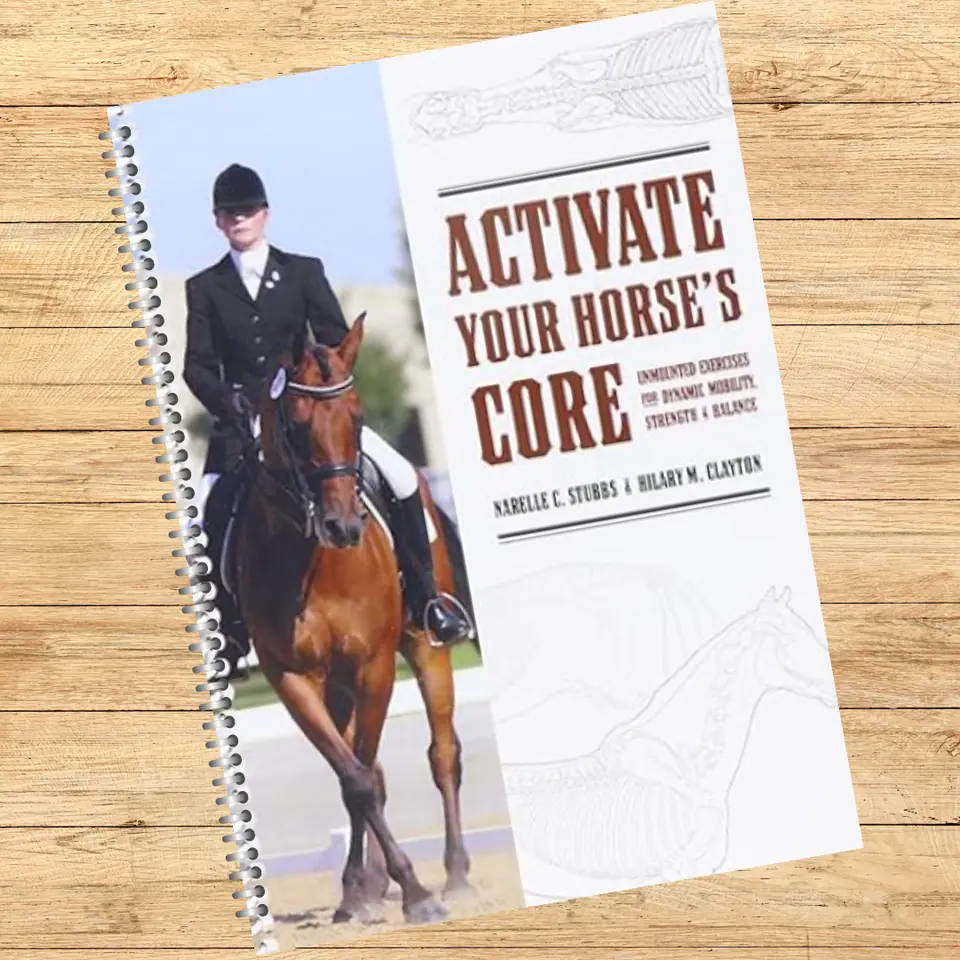
Activate Your Horse's CoreNarelle Stubbs and Hilary Clayton
- What it is
- A step-by-step guide to "carrot stretches" (dynamic mobility exercises) that ask your horse to round, bend and balance.
- Why I like it
- It's the best explanation I've found of how to do these exercises properly. Here's the secret: when your horse holds a carrot-stretch position, their core muscles are working hard to keep them balanced. That's the part I care about.
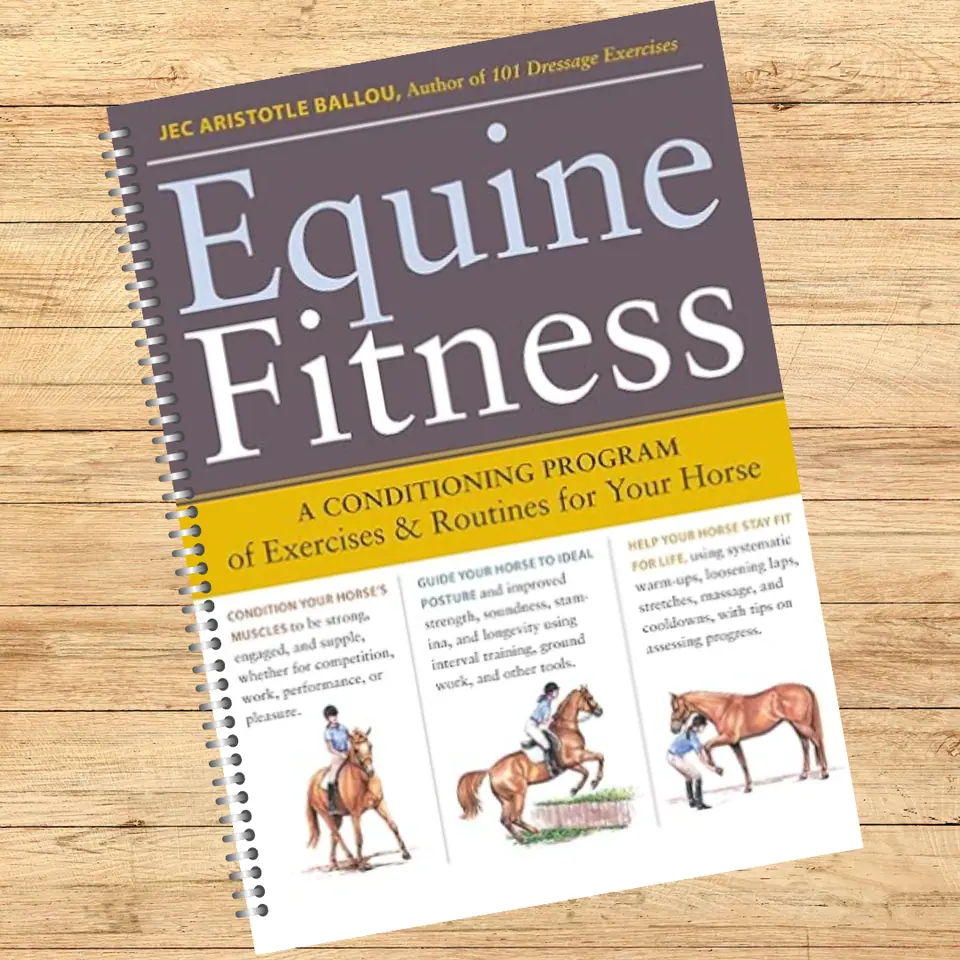
Equine FitnessJec Aristotle Ballou
- What it is
- A conditioning program full of in-hand and ridden exercises for strength, stamina and agility.
- Why I like it
- It gives you a plan, not just a list. A must-have if you want ideas for polework, hills and varied rides.
For core and balance
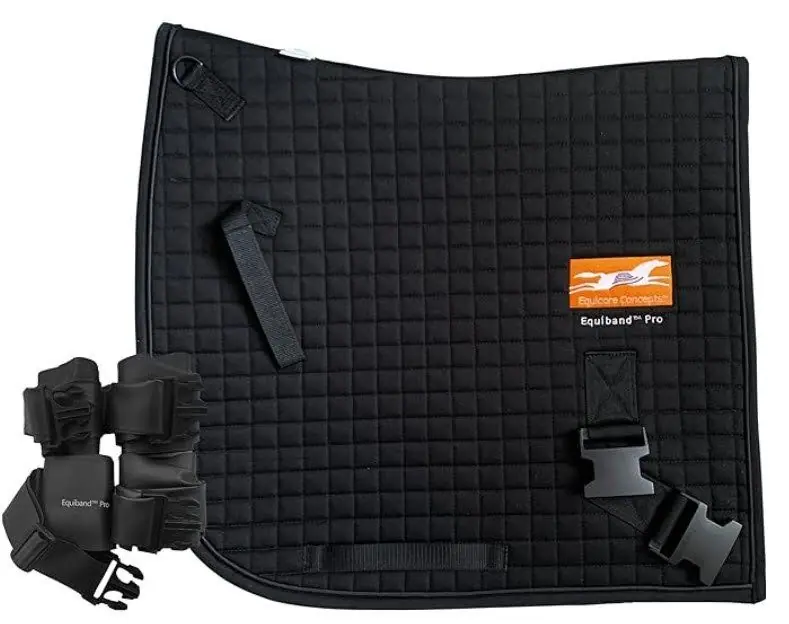
The Equiband system
- What it is
- Two elastic bands that attach to a saddle pad, one around the hindquarters and one under the belly. Your horse feels the band and switches on those muscles in response, a bit like you tightening your abs when you feel a hand on your stomach.
- Why I like it
- It's designed to encourage core engagement, topline and even strides, and it works for any discipline, from dressage to jumpers. I like it on for the first 5 to 10 minutes of a ride as part of the warm-up, then off.
The link is for the regular size. There's also an oversize and a western version.
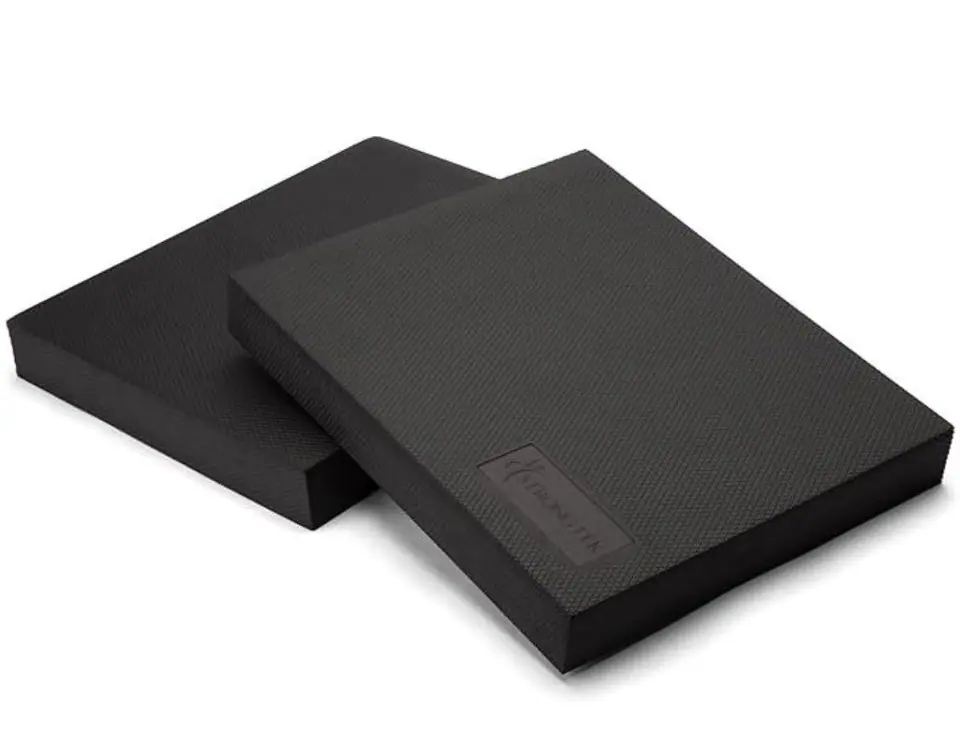
Foam balance pads
- What it is
- Firm foam pads your horse stands on, one hoof at a time or with the front feet together.
- Why I like it
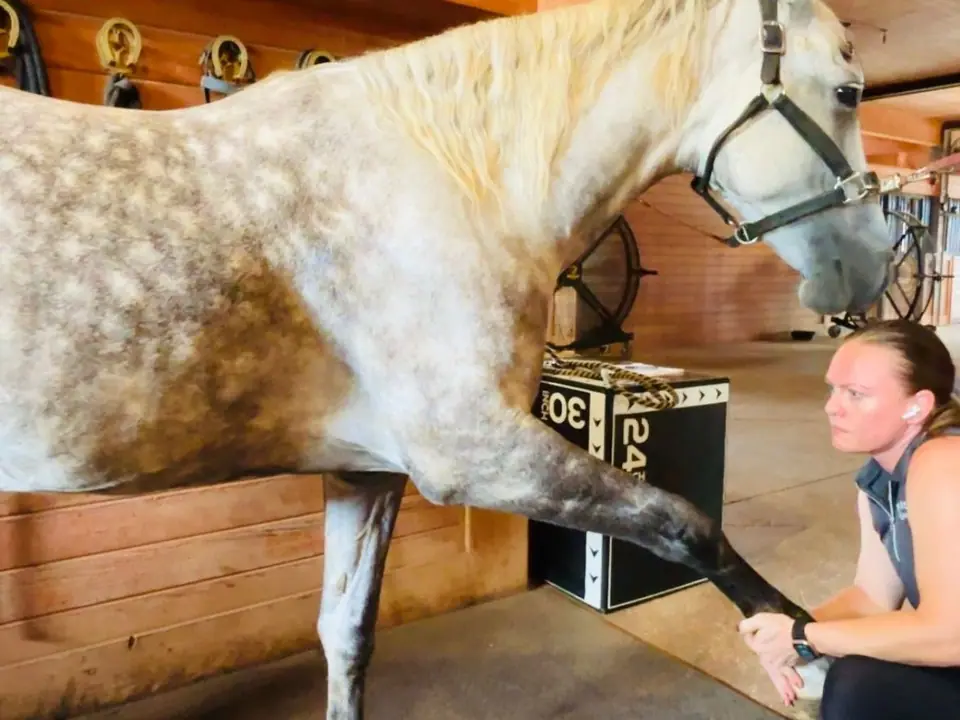
- Standing on a slightly unstable surface asks the small stabilizing muscles and the core to work. You won't see much happening, but look closely and there are lots of tiny adjustments. Artie, who is very good at refusing things he doesn't enjoy, once stood on his for almost five minutes and lowered his head the whole time. A few minutes on each leg once a week is a good start. These are my favorites: durable, easy to clean, just the right thickness, and much cheaper than the well-known brands.
For polework
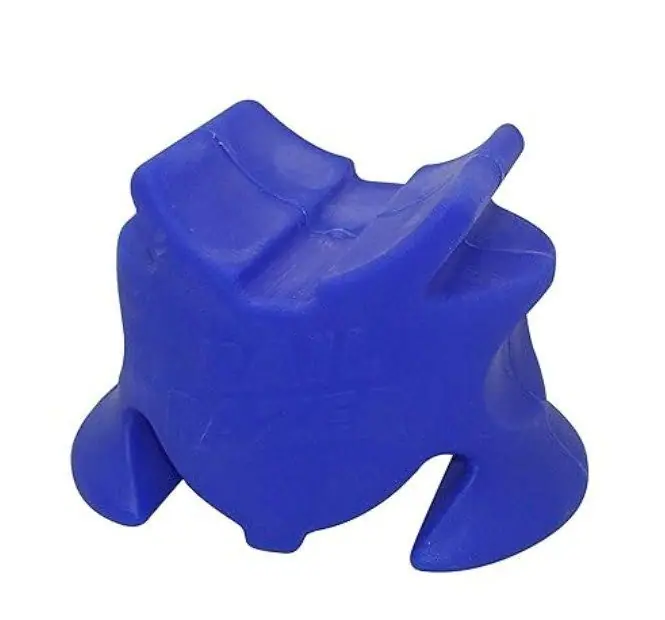
Pole risers
- What it is
- Plastic blocks that lift the end of a ground pole a few inches off the ground.
- Why I like it
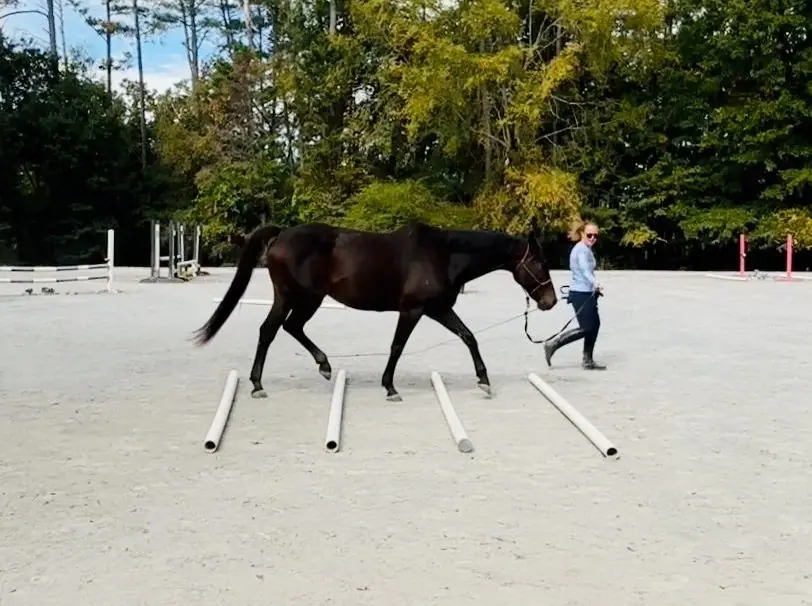
- Raised poles ask your horse to lift their legs higher and think about where their feet go. I like these because they're lightweight, stack securely on top of each other and they're made of tough plastic. Raise just one end of the poles to work one side more than the other. Change one thing at a time: height or spacing, not both.
What's in an Equine Bodyworker's Toolbox?
Mine holds three tools I use on my own horse: a fascia scraper, my Pulse EQ-X PEMF device, and poles and risers. The first two aren't things I'd suggest you buy without guidance, but people ask, so here they are.
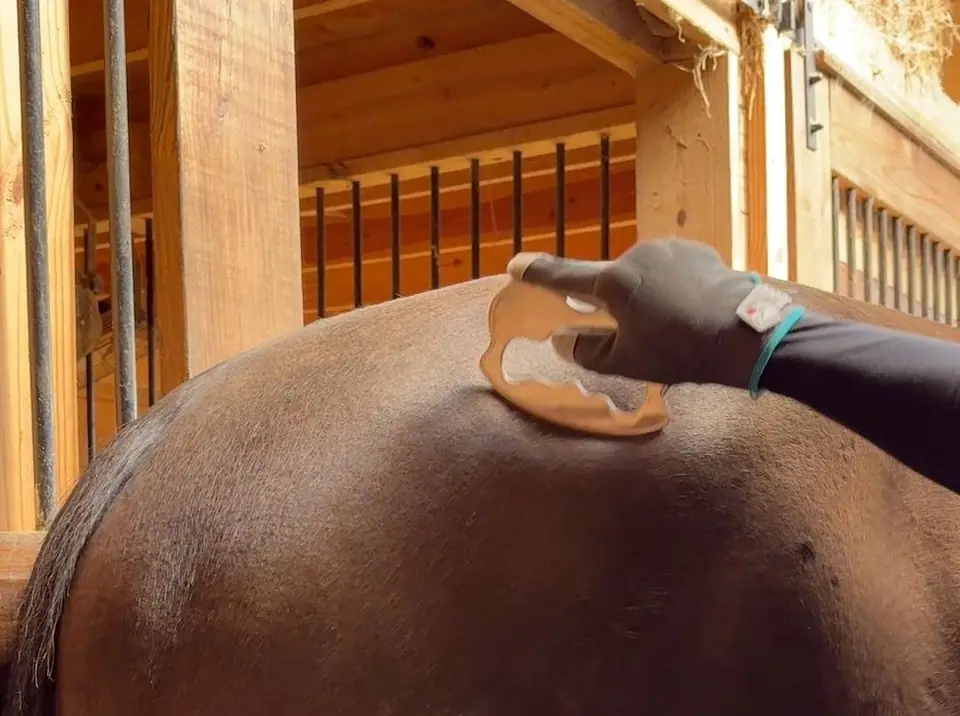
Fascia scraper
- What it is
- A smooth, flat tool (also called a muscle scraper) that I glide along the muscles in long or short strokes.
- Why I like it
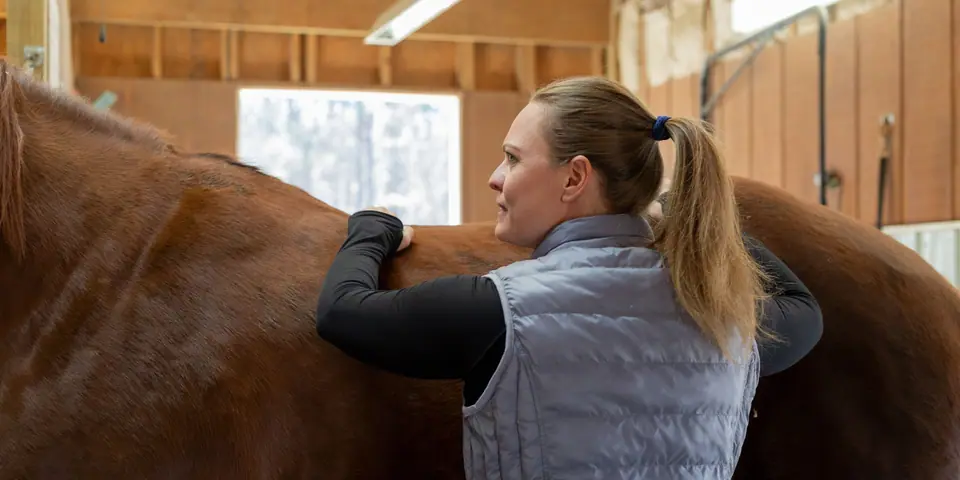
- It lets me lift and loosen tight fascia and work through knots without wearing out my hands, so I can work longer on the areas that need tension release. It's easily one of my clients' favorite parts of a session. Human sports massage pros use them too, so your horse gets to feel like a star athlete.
I use this as part of a session. If you'd like to try one at home, ask me to show you how first. [CONFIRM WITH JEN: which scraper she uses and an Amazon link, or leave without a button]
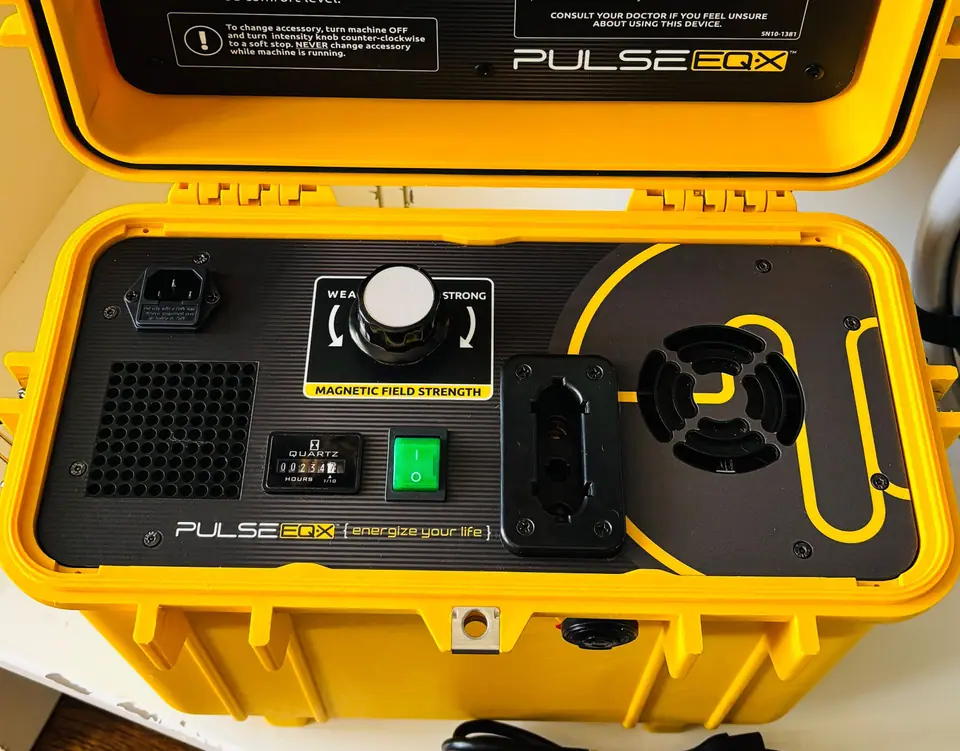
Pulse EQ-X PEMF
- What it is
- My Pulse EQ-X device, made in Northwest Georgia. It's a professional piece of kit, so it's not one for your shopping list.
- Why I like it
- It's a gentle, hands-off way to help a horse relax during a session.
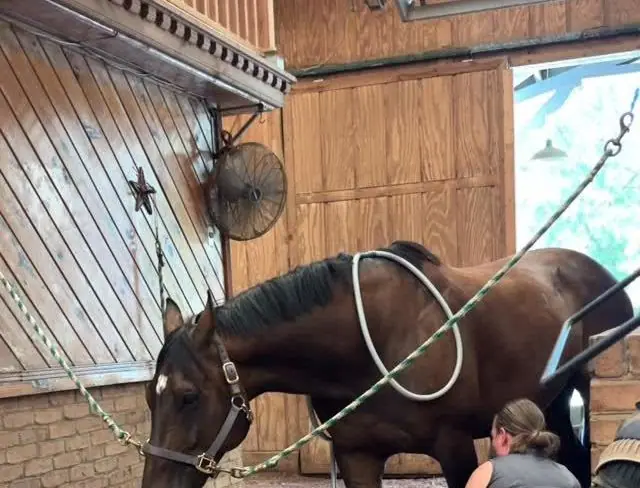
Poles and risers (again!)
Artie gets polework at home to build muscle and keep him guessing about what I'm going to ask him to do next. He has opinions about it.
Before you buy
Every horse is different. What helps one horse might not suit another. If you're not sure where to start, ask me at your next visit, or check your session report: I'll often suggest a tool there.
Bodywork supports your horse's wellbeing alongside veterinary care. It is not a substitute for it. If your horse is lame, unwell or recovering from injury, please check with your vet first.

Want a plan for your horse, not just a shopping list?
I'll put the right exercises and tools in your session report.
Free printable
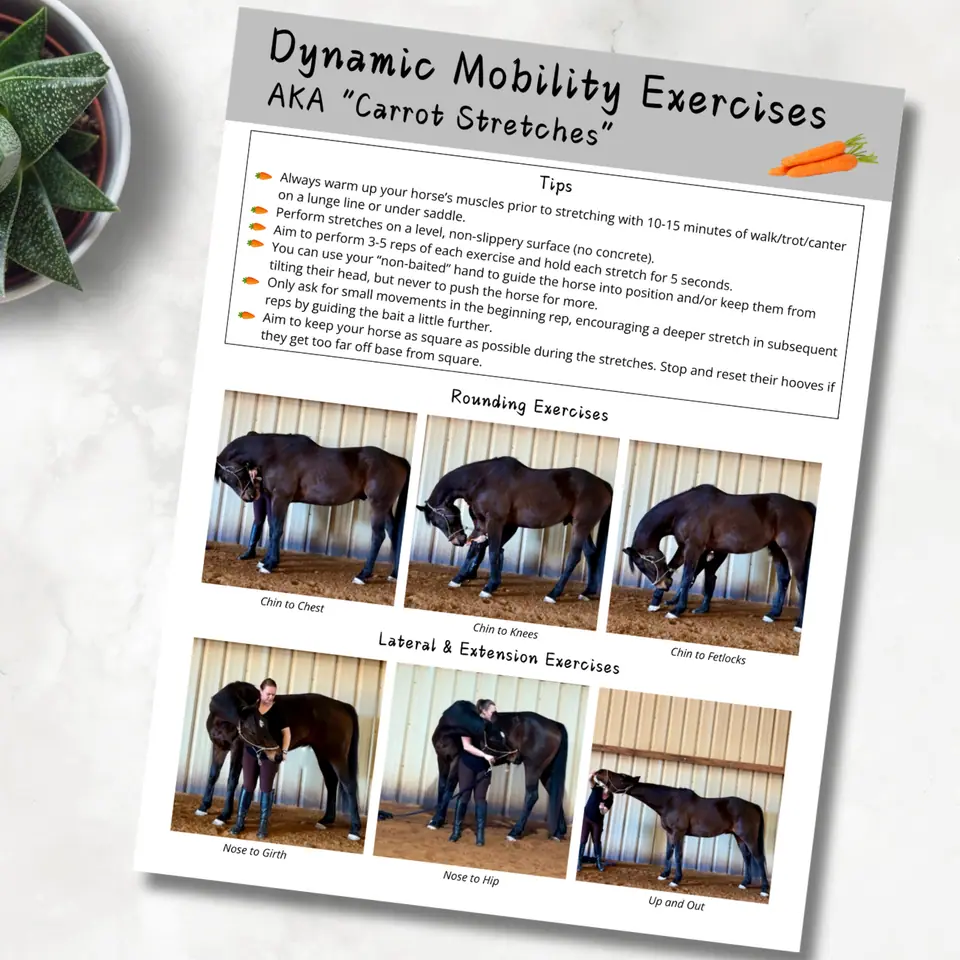
The carrot-stretch cheat sheet
Stick it on the barn fridge, the tack room door or your phone. One page, six stretches, all the tips. Free download confirmed. Jen is redoing it with new images
- Six carrot stretches with photos: chin to chest, chin to knees, chin to fetlocks, nose to girth, nose to hip, and up and out
- How to warm up first (10 to 15 minutes of walk, trot and canter)
- Where to do them (level, non-slip footing, never concrete)
- How many and how long (3 to 5 reps, holding about 5 seconds)
- How to start small and build, and how to keep your horse square
- The signs of a good stretch, and when to stop