The learning hub

What Can I Do at Home to Help My Horse Feel Better?

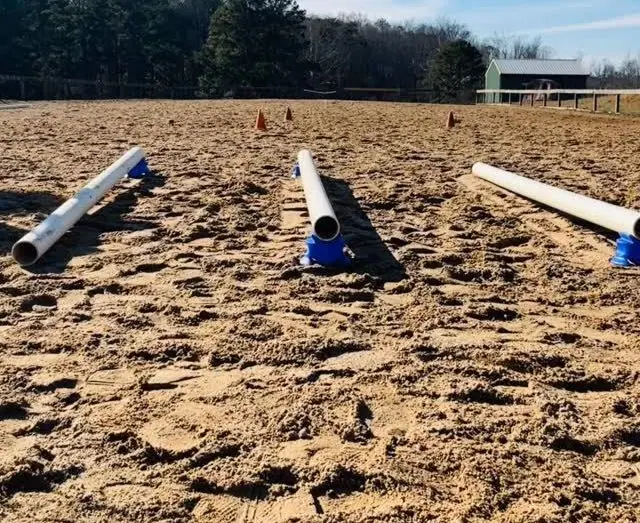
With a few minutes of the right homework, a few times a week: carrot stretches after a ride, belly lifts for the core, in-hand polework on non-riding days, and knowing the signs that tension is building again.

"I'm only one person and I can't be there every day, but my clients can."

That's why every session ends with a detailed session report and individualized homework, and that's why this page exists. Everything here comes from what I do at the barn every day. It's free, it's practical, and most of it takes a carrot and ten minutes. Whether you're getting ready for your next show or keeping an older horse moving well, you are my people.

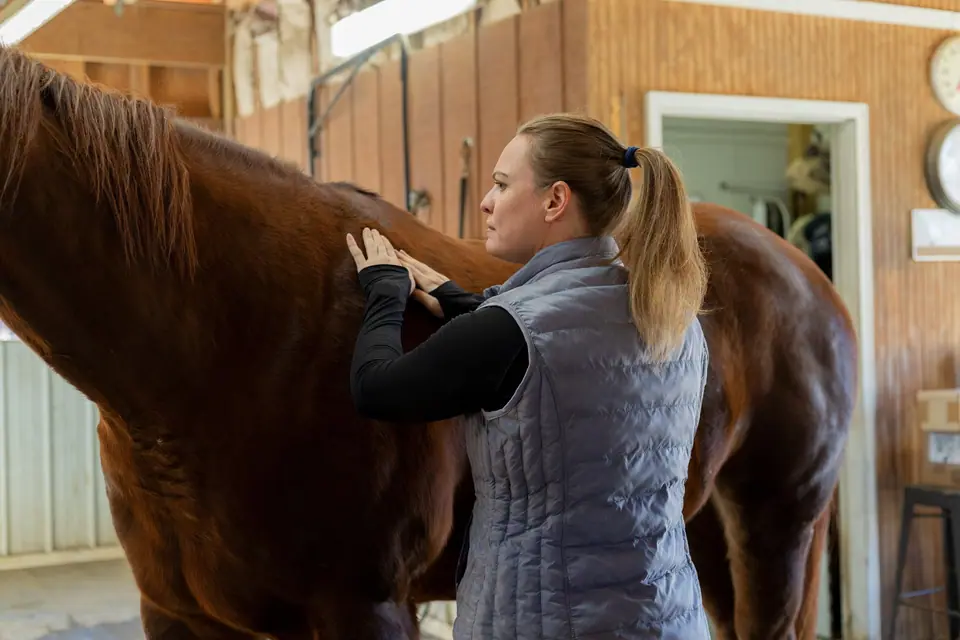
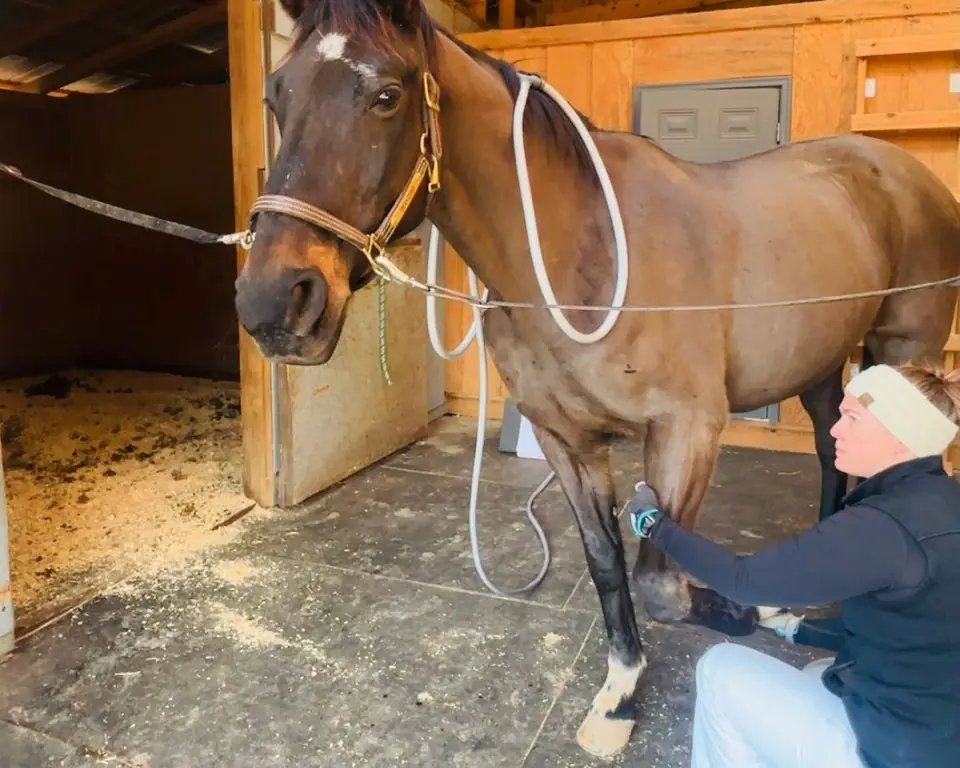
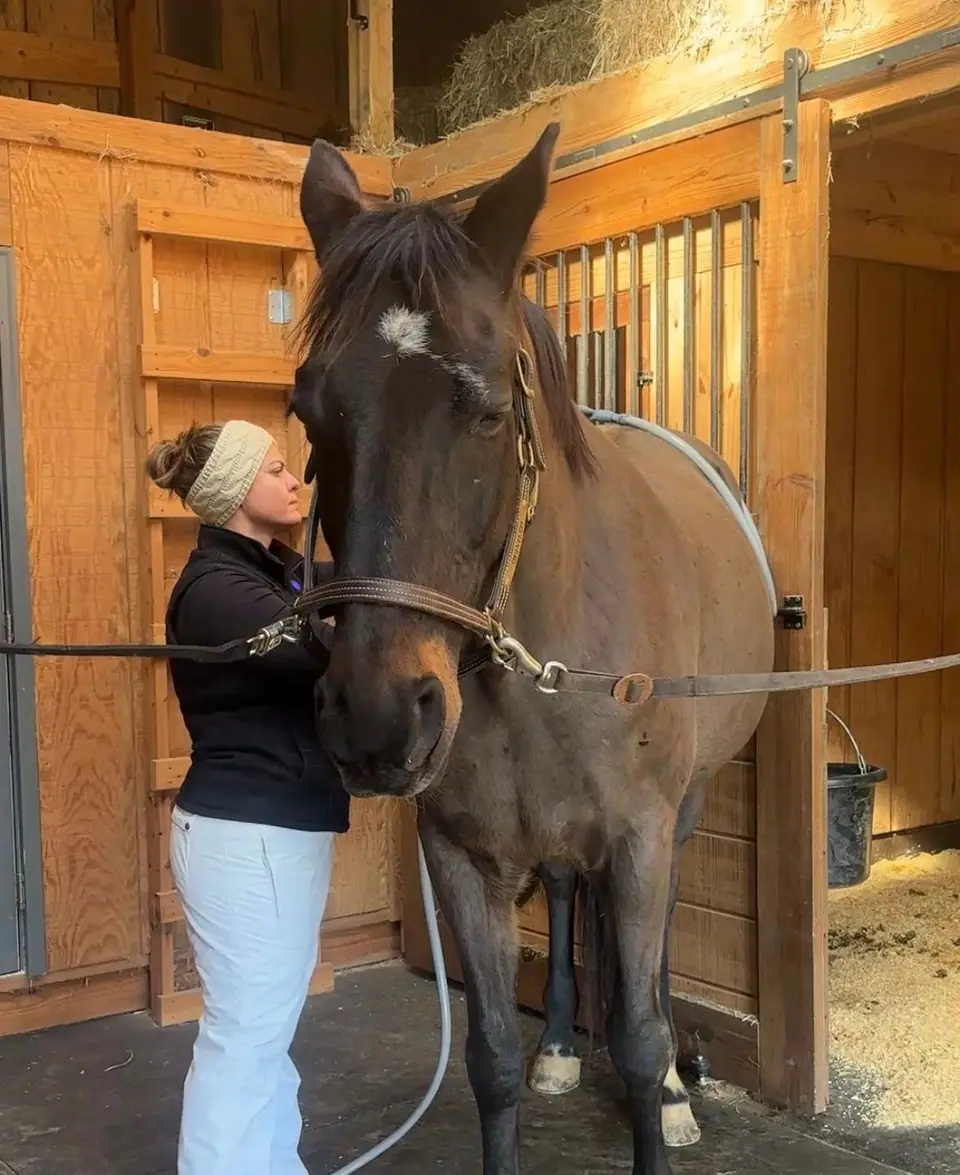
Jenny working on the neck of a dark bay horse in a wooden stall during an equine massage session
ArtieOne of my very first clients. Now my horse.

Interactive horse map

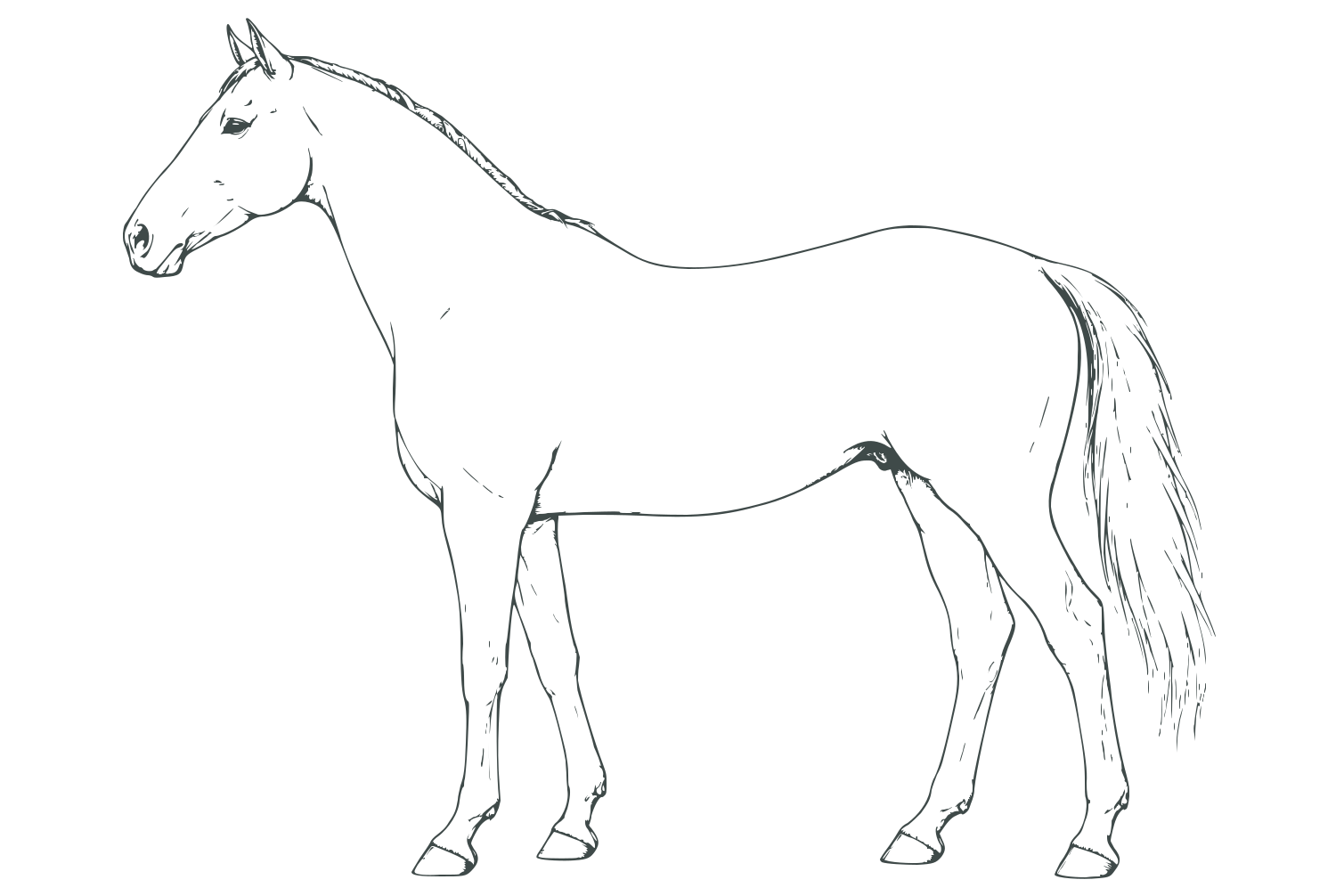
Where Do Horses Hold Tension?

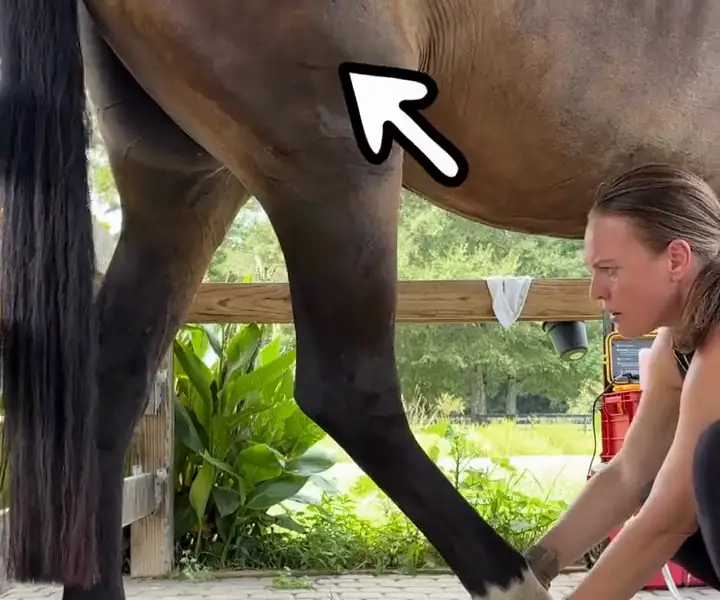
Most horses hold tension in the same seven places: the poll and jaw, neck, withers and shoulder, back, belly and core, hindquarters and tail dock. Tap a spot to see what your horse might be telling you there, and one thing you can try between sessions.

1 of 7 · Poll & jaw

Poll and jaw (TMJ)

Signs worth a closer look

  • Head tossing or head shaking
  • Resisting the bit or fussing at the bridle
  • Dropping feed while chewing (worth a dental check too)
  • Flinching or closing their eyes when you touch the jaw

Try this between visits

Lightly trace the jawline, the big chewing muscle and the joint just below the ear with your fingertips, and notice any flinching.

Signs to watch for
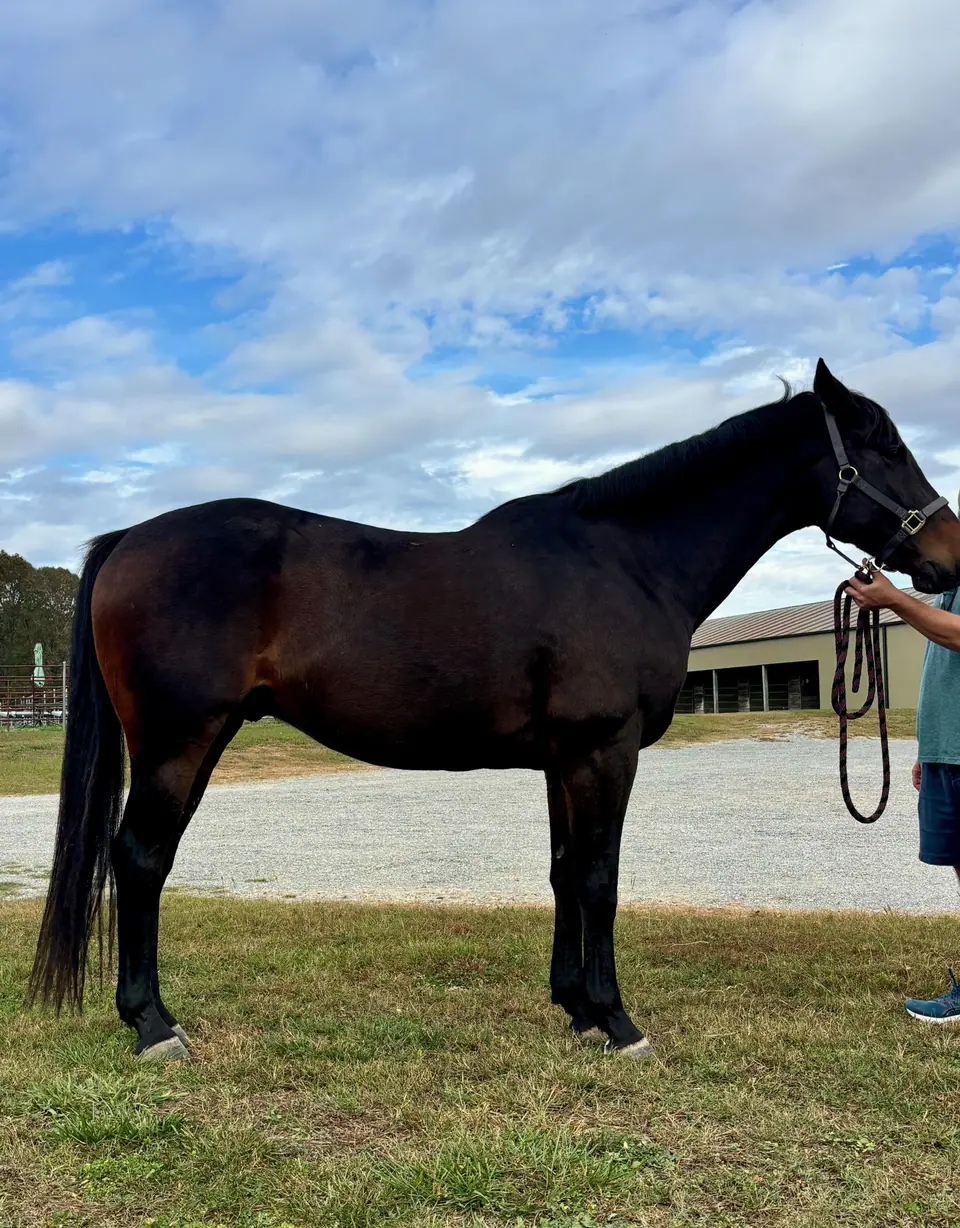
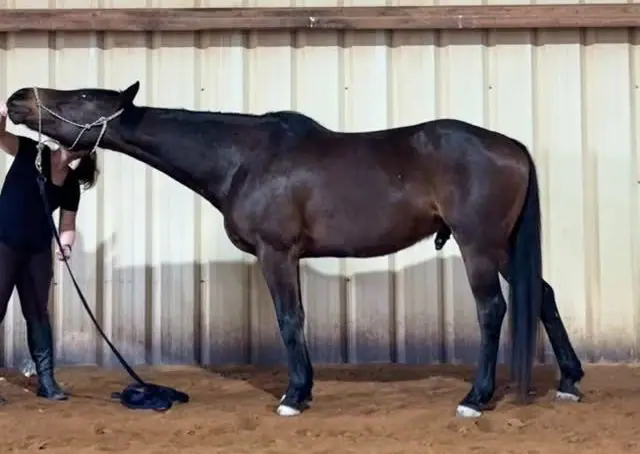
These are clues, not answers. Lots of things can cause them, including teeth, feet and saddle fit, so check with your vet first if your horse is lame, unwell or recovering from injury. Only stretch a warmed-up, sound horse, stand to the side, and stop if your horse braces or seems uncomfortable.

Book a Session

Listen to your horse

How Do I Know If My Horse Needs Bodywork?

Watch for changes in performance, under saddle, on the ground and in the body itself. Here's what your horse might be trying to tell you, and what's normal after a session.

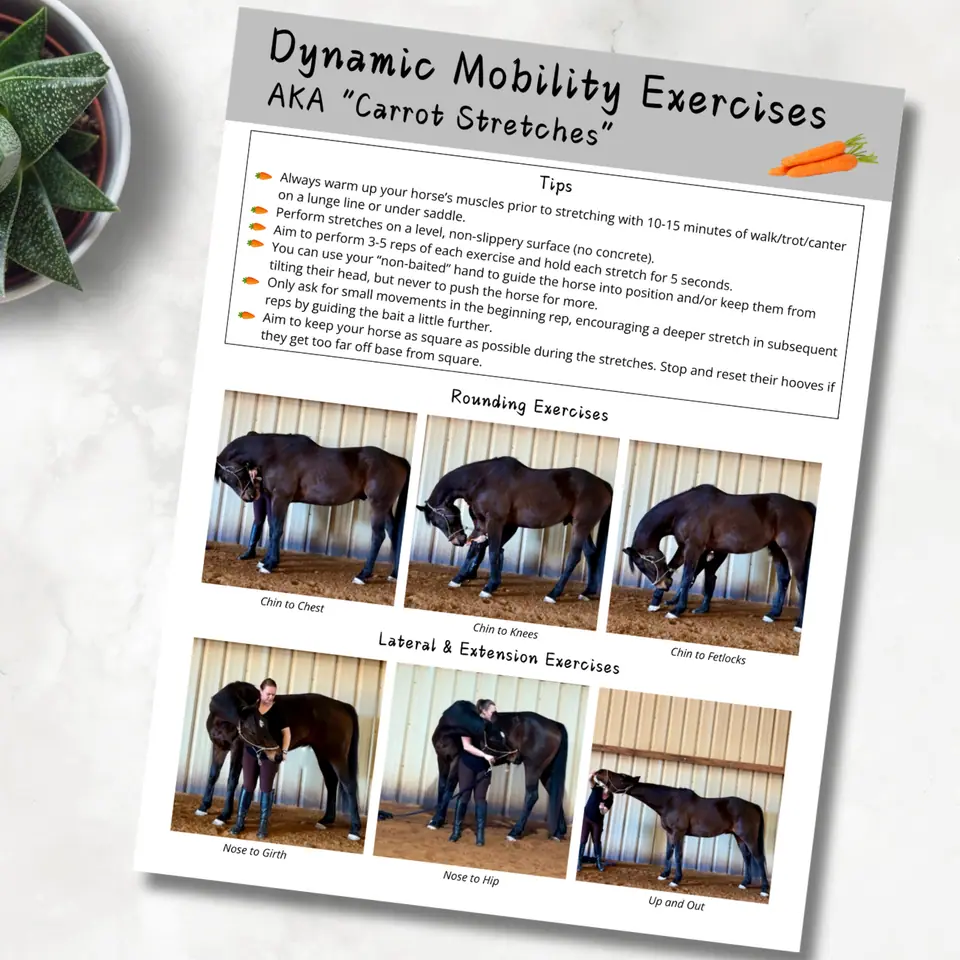
A printed carrot stretches sheet showing six stretch photos of a dark bay horse

Free download

Free printable: the carrot-stretch cheat sheet

Stick it on the barn fridge, the tack room door or your phone. One page, six stretches, all the tips. Free download confirmed. Jen is redoing it with new images

  • Six carrot stretches with photos: chin to chest, chin to knees, chin to fetlocks, nose to girth, nose to hip, and up and out
  • How to warm up first (10 to 15 minutes of walk, trot and canter)
  • Where to do them (level, non-slip footing, never concrete)
  • How many and how long (3 to 5 reps, holding about 5 seconds)
  • How to start small and build, and how to keep your horse square
  • The signs of a good stretch, and when to stop

I'll also send you occasional tips for horse owners. Unsubscribe anytime. [SAMPLE: preview form, nothing is sent]

Safety first

Bodywork supports your horse's wellbeing alongside veterinary care. It is not a substitute for it. If your horse is lame, unwell or recovering from injury, please check with your vet first.

Book a Session

Let's help your horse truly flourish.

Send me a booking request with a little about your horse and your goals. I'll get back to you personally to set up your session.

Or email me at info@flourishequinebodywork.com